
What is Sleep Dentistry?
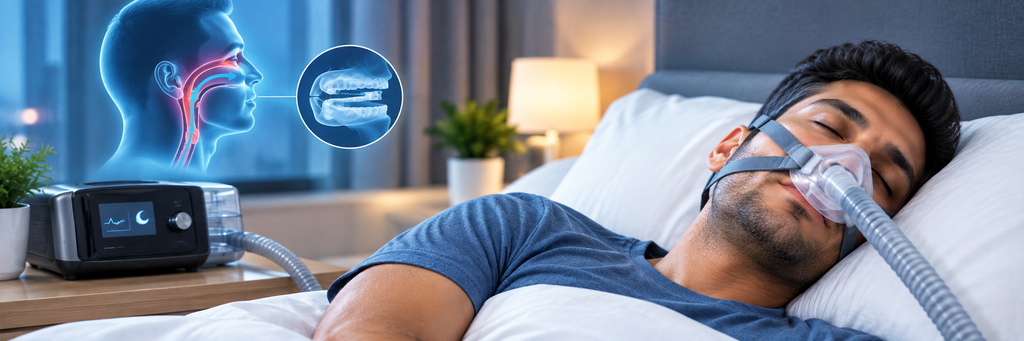
Sleep dentistry focuses on the diagnosis, evaluation, and management of oral and airway conditions that affect the quality of sleep. Many sleep-related breathing disorders, such as snoring and obstructive sleep apnea (OSA), are associated with the position of the jaw, tongue, and other oral structures. Sleep dentistry aims to improve airflow during sleep, helping patients breathe more comfortably and enjoy better-quality rest.
Dentists trained in sleep dentistry work closely with physicians and sleep specialists whenever necessary to provide comprehensive care. Treatment is personalized based on the patient’s symptoms, medical history, and diagnostic findings to improve both oral health and overall well-being.
The Role of Sleep Dentistry
Sleep dentistry plays an important role in identifying oral factors that contribute to sleep-related breathing disorders. Poor sleep can affect overall health, energy levels, concentration, and quality of life. Through detailed evaluation and appropriate oral appliance therapy, sleep dentistry helps improve nighttime breathing, reduce snoring, and support healthier sleep patterns.
Early diagnosis and timely treatment can also help reduce complications associated with untreated sleep-related breathing disorders.
Sleep Dentistry Services Offered at Our Dental Clinic in Kochi
Sleep Dentistry Services Offered at Our Dental Clinic in Kochi
A comprehensive assessment helps identify oral and airway conditions that may contribute to sleep-related breathing problems.
- Comprehensive sleep assessment
- Oral and airway evaluation
- Medical history review
- Symptom assessment
- Personalized treatment planning
Key Points:
Snoring Management
Snoring may result from restricted airflow during sleep. Appropriate dental treatment can help reduce snoring and improve sleep quality.
Key Points:
- Assessment of snoring causes
- Improved airflow during sleep
- Personalized treatment approach
- Better sleep quality
- Enhanced patient comfort
Oral Appliance Therapy
Custom-made oral appliances help reposition the jaw and tongue to maintain an open airway during sleep for suitable patients.
Key Points:
- Custom oral appliances
- Improved airway support
- Comfortable appliance fit
- Better nighttime breathing
- Personalized treatment
Obstructive Sleep Apnea (OSA) Management
For suitable patients with mild to moderate obstructive sleep apnea or those unable to tolerate CPAP therapy, oral appliance therapy may help improve breathing during sleep.
Key Points:
- Oral appliance therapy
- Improved airway function
- Reduced sleep interruptions
- Personalized treatment planning
- Better sleep quality
Custom Oral Appliance Fitting
Key Points:
- Custom appliance fabrication
- Comfortable fit
- Accurate bite assessment
- Improved treatment effectiveness
- Regular follow-up adjustments
Follow-Up and Appliance Adjustments
Regular follow-up visits help evaluate treatment progress and ensure the oral appliance continues to function effectively.
Key Points:
- Routine treatment monitoring
- Appliance adjustments
- Improved patient comfort
- Long-term treatment success
- Ongoing professional support
Airway Assessment
Evaluation of the oral cavity, jaw position, and airway helps determine whether dental factors contribute to breathing difficulties during sleep.
Key Points:
- Airway examination
- Jaw relationship assessment
- Oral health evaluation
- Individualized diagnosis
- Personalized care plan
Patient Education and Lifestyle Guidance
Patients receive guidance on lifestyle changes and oral appliance care to support successful treatment outcomes.
Key Points:
- Sleep hygiene education
- Oral appliance care instructions
- Lifestyle recommendations
- Long-term treatment support
- Improved treatment compliance
Benefits of Sleep Dentistry
Sleep dentistry helps improve breathing during sleep, reduce snoring, and enhance overall sleep quality. Proper management of sleep-related breathing disorders also contributes to better overall health and daily functioning.
Benefits are:
- Improved sleep quality
- Reduced snoring
- Better nighttime breathing
- Comfortable oral appliance therapy
- Improved daytime energy
- Better concentration
- Personalized treatment
- Non-surgical treatment option
- Enhanced patient comfort
- Improved overall health
- Better quality of life
- Long-term sleep support
Common Conditions Managed in Sleep Dentistry
Sleep dentistry helps manage various sleep-related oral and airway conditions, including:
- Snoring
- Mild obstructive sleep apnea
- Moderate obstructive sleep apnea (selected cases)
- Sleep-related breathing disorders
- Airway obstruction during sleep
- Poor sleep quality
- Daytime sleepiness
- Teeth grinding associated with sleep disorders
- Jaw positioning concerns
- Interrupted sleep
- Fatigue related to poor sleep
- Oral appliance-related adjustments
How Does Sleep Dentistry Differ from Other Dental Specialties?
Sleep dentistry focuses specifically on the relationship between oral structures and sleep-related breathing disorders. Unlike general dentistry, which primarily treats teeth and gums, sleep dentistry evaluates how the jaw, tongue, and airway influence breathing during sleep. Treatment often involves custom-made oral appliances and collaboration with sleep physicians to provide comprehensive patient care.
When Should You Visit a Sleep Dentist?
You should consider visiting a sleep dentist if you experience loud snoring, interrupted sleep, excessive daytime sleepiness, morning headaches, difficulty staying asleep, or have been diagnosed with obstructive sleep apnea. Individuals who cannot tolerate CPAP therapy may also benefit from an evaluation to determine whether oral appliance therapy is a suitable treatment option.
Advanced Procedures in Sleep Dentistry
Comprehensive Sleep Assessment – Evaluation of symptoms, medical history, and oral health related to sleep disorders.
Airway Examination – Assessment of airway anatomy and jaw position to identify contributing factors.
Digital Dental Imaging – Advanced imaging for accurate diagnosis and treatment planning.
Custom Oral Appliance Fabrication – Individually designed appliances to improve airway patency during sleep.
Oral Appliance Therapy – Non-invasive treatment for suitable patients with snoring and obstructive sleep apnea.
Bite Analysis – Evaluation of jaw alignment for proper appliance function.
Regular Appliance Adjustments – Periodic modifications to maximize comfort and treatment effectiveness.
Treatment Monitoring – Continuous assessment of patient progress and symptom improvement.
Collaborative Care – Coordination with sleep physicians when required for comprehensive management.
Patient Education – Guidance on appliance care, sleep hygiene, and long-term treatment maintenance.
Why Sleep Dentistry is Important for Your Overall Health
Quality sleep is essential for maintaining good physical and mental health. Untreated sleep-related breathing disorders can affect cardiovascular health, concentration, mood, and overall quality of life. Sleep dentistry helps improve breathing during sleep, promotes restful sleep, and supports better long-term health. By addressing oral factors that contribute to sleep disorders, patients can experience improved energy levels, better daily functioning, and enhanced overall well-being.
Frequently Asked Questions (FAQ’s)
1. Can a dentist help with snoring?
Yes. Dentists trained in sleep dentistry can evaluate the cause of snoring and recommend oral appliance therapy for suitable patients.
2. What is an oral appliance for sleep apnea?
An oral appliance is a custom-made device worn during sleep that helps keep the airway open by gently repositioning the jaw or tongue.
3. How is sleep apnea diagnosed before dental treatment?
A dentist may review your symptoms, medical history, and oral health, but a formal diagnosis of obstructive sleep apnea is typically made through a sleep study recommended by a physician or sleep specialist.
4. Is sleep dentistry suitable for everyone?
Not everyone is a candidate for dental sleep therapy. A comprehensive evaluation, and when necessary consultation with a sleep physician, helps determine the most appropriate treatment based on the individual’s condition and overall health.
5. Can sleep dentistry improve sleep quality?
Yes. By helping keep the airway open during sleep, sleep dentistry may improve sleep quality and reduce snoring in suitable patients.