

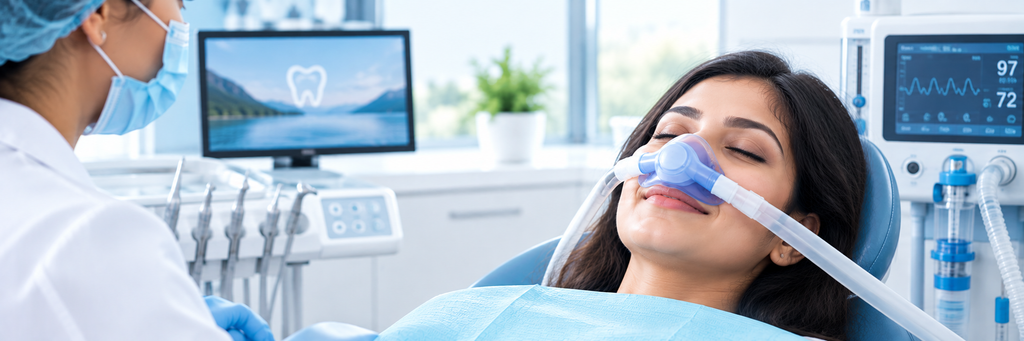
What is Sedation Dentistry?
Sedation dentistry helps patients feel calm, comfortable, and relaxed during dental procedures by using safe and carefully monitored sedation techniques. It is especially beneficial for individuals with dental anxiety, fear of dental treatment, sensitive gag reflexes, difficulty sitting for long procedures, or those requiring multiple treatments in a single visit.
Sedation does not replace local anaesthesia but works alongside it to create a more comfortable dental experience. The level of sedation recommended depends on the patient’s medical history, treatment complexity, and individual needs. At our Dental Clinic in Kochi, patient safety, comfort, and personalized care remain our highest priorities throughout every procedure.
The Role of Sedation Dentistry
Sedation dentistry plays an important role in helping patients receive the dental care they need without fear or unnecessary stress. Many people delay treatment due to dental anxiety, which can lead to worsening oral health problems over time. Sedation helps patients remain relaxed while allowing the dentist to perform procedures safely and efficiently.
Every patient undergoes a detailed medical evaluation before sedation is recommended to ensure the most appropriate and safest treatment approach
Sedation Dentistry Services Offered at Our Dental Clinic in Kochi
Dental Anxiety Management
Sedation helps patients with mild to severe dental anxiety feel calm throughout their treatment, making dental visits more comfortable and less stressful.
Key Points:
- Reduced dental fear and anxiety
- Relaxed treatment experience
- Comfortable dental visits
- Improved patient cooperation
- Personalized sedation planning
Sedation for Lengthy Dental Procedures
Long dental treatments can become physically and mentally exhausting. Sedation allows patients to remain comfortable during extended appointments.
Key Points:
- Comfortable long procedures
- Reduced treatment fatigue
- Improved patient relaxation
- Better treatment efficiency
- Enhanced overall comfort
Sedation for Complex Dental Treatments
Some advanced dental procedures may require additional comfort measures. Sedation helps patients remain relaxed while treatment is performed safely.
Key Points:
- Comfortable complex procedures
- Reduced treatment-related stress
- Continuous patient monitoring
- Personalized sedation approach
- Improved treatment experience
Sedation for Patients with Strong Gag Reflex
An excessive gag reflex can make certain dental procedures difficult. Sedation helps minimize this response and allows treatment to proceed more comfortably.
Key Points:
- Reduced gag reflex
- Easier dental procedures
- Greater patient comfort
- Improved treatment accuracy
- Better overall experience
Sedation for Sensitive Teeth
Patients with extremely sensitive teeth may experience discomfort even during routine procedures. Sedation helps create a more relaxed and comfortable treatment environment.
Key Points:
- Improved treatment comfort
- Reduced sensitivity-related anxiety
- Relaxed dental care
- Better patient cooperation
- Comfortable procedures
Sedation for Patients with Special Healthcare Needs
Some patients with physical, developmental, or behavioural conditions may benefit from sedation to receive necessary dental treatment safely and comfortably.
Key Points:
- Personalized patient care
- Comfortable treatment sessions
- Improved cooperation
- Enhanced safety measures
- Individualized treatment planning
Sedation During Oral Surgical Procedures
Sedation can improve patient comfort during certain dental surgical procedures by reducing anxiety and helping patients remain relaxed throughout treatment.
Key Points:
- Comfortable surgical care
- Reduced procedural anxiety
- Continuous patient monitoring
- Improved treatment experience
- Safe sedation techniques
Sedation Consultation and Evaluation
Before recommending sedation, a comprehensive assessment is performed to review medical history, medications, allergies, and treatment requirements.
Key Points:
- Medical history review
- Comprehensive health assessment
- Individual risk evaluation
- Personalized sedation selection
- Safe treatment planning
Benefits of Sedation Dentistry
Sedation dentistry makes dental treatment more comfortable by helping patients feel relaxed throughout their procedures. It improves patient confidence, reduces treatment-related anxiety, and allows necessary dental care to be completed safely and efficiently.
Benefits are:
- Reduced dental anxiety
- Comfortable dental treatment
- Less fear during procedures
- Easier long appointments
- Improved patient cooperation
- Reduced gag reflex
- Better treatment experience
- Increased treatment acceptance
- Safe and monitored care
- Greater patient confidence
- Enhanced overall comfort
- Improved oral health maintenance
Common Conditions That May Benefit from Sedation Dentistry
Sedation dentistry may be recommended for patients experiencing:
- Dental anxiety
- Dental phobia
- Fear of injections
- Strong gag reflex
- Sensitive teeth
- Difficulty remaining still
- Multiple dental procedures
- Long treatment sessions
- Special healthcare needs
- Previous traumatic dental experiences
- Difficulty tolerating dental treatment
- Stress-related dental avoidance
How Does Sedation Dentistry Differ from Other Dental Treatments?
Unlike other dental specialties that focus on treating specific oral health conditions, sedation dentistry focuses on improving patient comfort during dental procedures. It supports a wide range of dental treatments by helping patients remain calm and relaxed throughout their appointments. Sedation techniques are carefully selected based on the patient’s medical history, treatment requirements, and overall health, ensuring safe and individualized care.
When Should You Consider Sedation Dentistry?
Sedation dentistry may be beneficial if you avoid dental visits because of fear or anxiety, have a strong gag reflex, require lengthy or multiple dental procedures, experience difficulty sitting comfortably during treatment, or have special healthcare needs that make routine dental care challenging. A consultation with your dentist will determine whether sedation is an appropriate option based on your medical history and treatment requirements.
Advanced Procedures in Sedation Dentistry
Comprehensive Medical Assessment – Detailed evaluation of medical history, medications, allergies, and overall health before sedation.
Patient Risk Assessment – Individualized evaluation to determine the safest sedation option.
Local Anaesthesia with Sedation – Combining sedation with local anaesthesia for comfortable treatment.
Continuous Vital Sign Monitoring – Monitoring heart rate, blood pressure, oxygen levels, and breathing throughout treatment.
Personalized Sedation Planning – Sedation protocols tailored to the patient’s age, health condition, and dental procedure.
Anxiety-Controlled Dental Care – Comfortable treatment for patients with dental fear and phobia.
Comfort Management for Long Procedures – Sedation support during lengthy restorative or surgical dental treatments.
Post-Treatment Recovery Monitoring – Careful observation until patients recover safely before discharge.
Individualized Patient Instructions – Pre-operative and post-operative guidance to promote a safe and smooth recovery.
Comprehensive Follow-up Care – Monitoring recovery and addressing any concerns after sedation-assisted treatment.
Why Sedation Dentistry is Important for Your Overall Health
Fear of dental treatment often prevents people from receiving timely oral healthcare, allowing minor dental problems to become more serious. Sedation dentistry helps patients overcome anxiety and complete necessary dental treatment comfortably. Maintaining regular dental care supports healthy teeth and gums, reduces the risk of oral infections, preserves natural teeth, and contributes to better overall health and quality of life.
Frequently Asked Questions (FAQ’s)
1. Is sedation dentistry safe?
Yes. Sedation dentistry is considered safe when administered by trained dental professionals after a thorough medical evaluation and with continuous patient monitoring throughout the procedure.
2. Will I be asleep during sedation dentistry?
Most forms of dental sedation help you feel deeply relaxed rather than completely asleep. The type of sedation used depends on your treatment and individual needs.
3. Who is a good candidate for sedation dentistry?
Patients with dental anxiety, dental phobia, a strong gag reflex, sensitive teeth, special healthcare needs, or those requiring lengthy dental procedures may benefit from sedation after a professional assessment.
4. Can I drive home after sedation dentistry?
Depending on the type of sedation used, you may need someone to accompany you and drive you home after your appointment. Your dentist will provide specific instructions before your procedure.
5. Is sedation used for all dental treatments?
No. Sedation is recommended only when appropriate based on the patient’s medical history, comfort level, and the complexity of the planned dental treatment.