
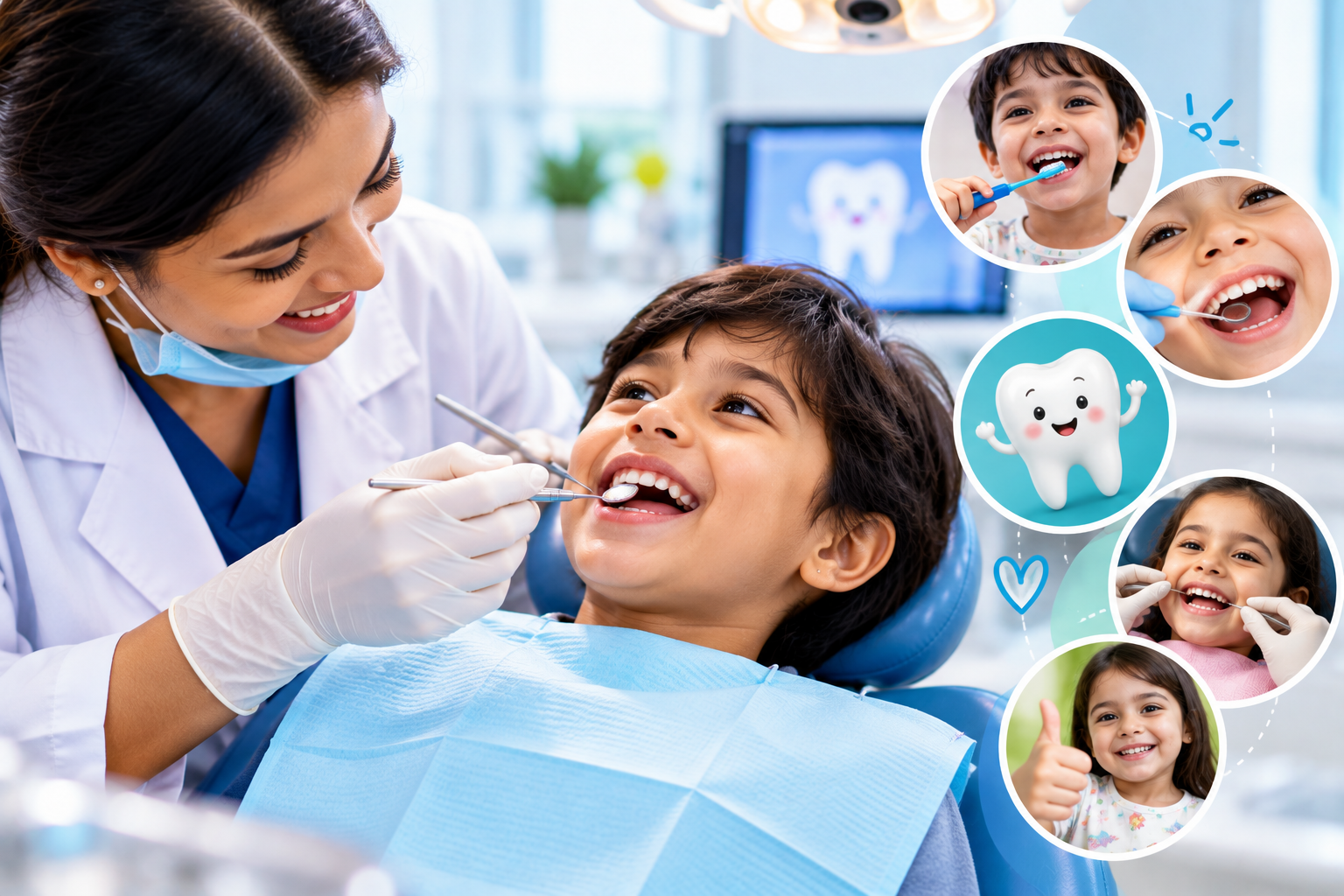

Pediatric dentistry is a specialized branch of dentistry that focuses on the oral health of infants, children, adolescents, and individuals with special healthcare needs. It involves the prevention, diagnosis, and treatment of dental problems while promoting healthy oral habits from an early age. Pediatric dentists create a child-friendly environment to ensure young patients feel comfortable during dental visits, helping them develop positive attitudes toward lifelong dental care.
The Role of Pediatric Dentistry
Pediatric dentistry plays an essential role in ensuring healthy growth and development of a child’s teeth, gums, and jaws. Regular dental visits help detect problems such as tooth decay, bite issues, and developmental abnormalities at an early stage. In addition to providing treatment, pediatric dentists educate children and parents about proper oral hygiene, healthy eating habits, and preventive dental care to support lifelong oral health.
Pediatric Dentistry Services Offered at Our Dental Clinic in Kochi
Infant Oral Health Assessment
Early dental examinations help monitor the development of your baby’s teeth and identify potential oral health concerns before they become serious.
Key Points:
- Early evaluation of oral development
- Monitoring of baby teeth eruption
- Assessment of oral growth
- Prevention of early childhood dental problems
- Parent guidance on infant oral care
Routine Dental Checkups for Children
Regular dental checkups help maintain healthy teeth and gums while identifying dental issues at an early stage. These visits also help children become comfortable with dental care.
Key Points:
- Comprehensive dental examination
- Early detection of cavities
- Monitoring tooth development
- Personalized preventive care
- Comfortable child-friendly approach
Professional Teeth Cleaning for Children
Professional cleaning removes plaque and tartar that regular brushing may miss, helping maintain healthy teeth and gums.
Key Points:
- Removes plaque and tartar
- Prevents cavities
- Improves oral hygiene
- Freshens breath
- Encourages healthy dental habits
Fluoride Treatment
Fluoride treatment strengthens tooth enamel and helps protect children’s teeth from decay by making them more resistant to acid attacks.
Key Points:
- Strengthens tooth enamel
- Reduces risk of cavities
- Safe preventive treatment
- Quick and painless procedure
- Suitable for growing children
Pit and Fissure Sealants
Dental sealants are thin protective coatings applied to the chewing surfaces of molars to prevent food and bacteria from causing cavities.
Key Points:
- Protects back teeth
- Prevents tooth decay
- Simple and painless procedure
- Long-lasting protection
- Ideal for newly erupted permanent teeth
Tooth-Coloured Fillings for Children
Tooth-coloured fillings restore cavities while maintaining the natural appearance of your child’s teeth.
Key Points:
- Repairs cavities effectively
- Natural tooth appearance
- Safe restorative material
- Preserves healthy tooth structure
- Comfortable treatment
Management of Dental Emergencies
Prompt treatment is essential for dental injuries such as broken teeth, knocked-out teeth, or severe tooth pain to protect your child’s oral health.
Key Points:
- Immediate dental care
- Treatment of dental trauma
- Pain relief
- Protection of damaged teeth
- Emergency treatment planning
Habit Counseling
Certain childhood habits such as thumb sucking, prolonged pacifier use, or tongue thrusting can affect dental development. Habit counseling helps parents and children manage these behaviors.
Key Points:
- Thumb sucking management
- Tongue thrust correction guidance
- Pacifier habit counseling
- Supports healthy jaw development
- Prevents bite problems
Space Maintainers
If a baby tooth is lost too early, a space maintainer helps preserve the space for the permanent tooth to erupt properly.
Key Points:
- Maintains proper tooth spacing
- Prevents crowding
- Supports healthy eruption
- Protects future alignment
- Customized for each child
Benefits of Pediatric Dentistry
Pediatric dentistry focuses on building a strong foundation for lifelong oral health. Regular dental care during childhood helps prevent dental problems, promotes healthy habits, and supports proper growth and development.
Benefits are:
- Healthy teeth and gums
- Early detection of dental problems
- Prevention of cavities
- Proper jaw and tooth development
- Improved oral hygiene habits
- Reduced dental anxiety
- Child-friendly dental experience
- Better chewing and speech development
- Prevention of future orthodontic problems
- Healthy smile throughout childhood
- Increased confidence
- Long-term oral health
Common Dental Problems Treated by Pediatric Dentists
Pediatric dentists diagnose and treat a wide range of childhood dental conditions, including:
- Tooth decay (cavities)
- Early childhood caries
- Tooth sensitivity
- Gum inflammation
- Dental injuries
- Chipped or broken teeth
- Delayed tooth eruption
- Thumb sucking-related dental problems
- Teeth grinding (Bruxism)
- Bite problems
- Space loss due to early tooth loss
- Plaque buildup
How Does Pediatric Dentistry Differ from Other Dental Specialties?
Pediatric dentistry is specifically designed for infants, children, and teenagers. Unlike general dentistry, which treats patients of all ages, pediatric dentistry focuses on the unique dental needs of growing children. Pediatric dentists are trained to manage children’s behavior, monitor dental development, and provide age-appropriate preventive and restorative care in a comfortable, child-friendly environment.
When Should Your Child Visit a Pediatric Dentist?
The first dental visit is recommended within six months after the first tooth appears or by your child’s first birthday. Regular dental checkups every six months help monitor oral development, prevent cavities, and establish healthy dental habits. Parents should also schedule a visit if their child experiences tooth pain, dental injury, gum swelling, or delayed tooth eruption.
Advanced Procedures in Pediatric Dentistry
Infant Oral Health Assessment – Early evaluation of oral development to identify potential concerns.
Digital Dental X-Rays – Low-radiation digital imaging for accurate diagnosis while minimizing radiation exposure.
Preventive Dental Care – Comprehensive preventive treatments including cleanings, fluoride applications, and oral hygiene education.
Pit and Fissure Sealants – Protective coatings that reduce the risk of cavities in children’s molars.
Fluoride Therapy – Professional fluoride application to strengthen developing teeth.
Pulp Therapy (Baby Tooth Root Canal) – Treatment to save severely decayed primary teeth when possible.
Space Maintainers – Preserve space for permanent teeth following premature loss of baby teeth.
Interceptive Orthodontic Evaluation – Early assessment of developing bite and jaw problems.
Dental Trauma Management – Immediate care for broken, displaced, or knocked-out teeth.
Behavior Guidance Techniques – Child-friendly approaches that help young patients feel comfortable during dental treatment.
Why Pediatric Dentistry is Important for Your Child’s Oral Health
Healthy baby teeth are essential for proper chewing, speech development, and guiding permanent teeth into their correct positions. Pediatric dentistry helps prevent dental diseases, detects oral problems early, and encourages children to develop lifelong oral hygiene habits. Regular dental visits also reduce dental anxiety by creating positive experiences, helping children grow up with healthy smiles and confidence.
Frequently Asked Questions (FAQ’s)
1. When should my child first visit the dentist?
Your child should have their first dental visit by their first birthday or within six months after the first tooth erupts.
2. How often should children have dental checkups?
Most children should visit the dentist every six months for regular examinations and preventive care.
3. Why are baby teeth important if they eventually fall out?
Baby teeth help children chew, speak properly, and guide permanent teeth into their correct positions.
4. What causes cavities in children?
Frequent sugary foods and drinks, poor oral hygiene, and inadequate fluoride exposure are common causes of childhood tooth decay.
5. Are fluoride treatments safe for children?
Yes. Professional fluoride treatments are safe, effective, and help